

Introduction
Definition of Excretion
Excretion is the elimination of metabolic waste products (e.g., nitrogenous wastes, excess salts, water) to maintain homeostasis.
Functions of the Excretory System
1. Osmoregulation: Balances water and ion concentrations.
2. Nitrogen Waste Removal: Detoxifies ammonia, urea, or uric acid.
3. pH Regulation: Maintains acid-base balance.
4. Endocrine Functions: Kidneys produce hormones (e.g., erythropoietin).
Evolutionary Context
– Early vertebrates relied on **simple filtration systems** (e.g., nephridia).
– Aquatic vertebrates excreted **ammonia** directly.
– Terrestrial vertebrates evolved **urea/uric acid** to conserve water.
I. Types of Excretory Systems in Vertebrates
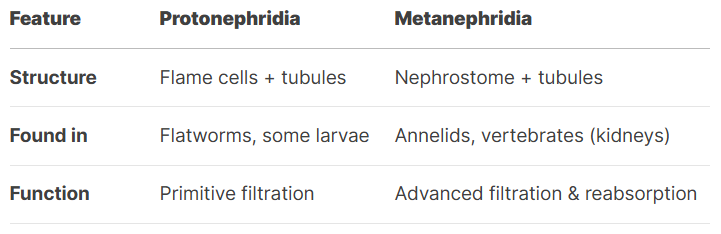
A. Protonephridia vs. Metanephridia
B. Vertebrate Kidney Evolution
1. Pronephros (Embryonic; non-functional in adults).
2. Mesonephros (Functional in fish/amphibians; transitional in amniotes).
3. Metanephros (Advanced kidneys in reptiles, birds, mammals).
II. Detailed Structure and Function of Kidneys Across Vertebrates
A. Agnatha (Jawless Fish) and Chondrichthyes (Cartilaginous Fish)
- Kidney Type: Mesonephric.
- Specialization:
- Rectal Gland (Sharks): Excretes excess NaCl.
- Urea Retention (Osmoconformers): Maintains blood urea to match seawater.
B. Osteichthyes (Bony Fishes)
- Kidney Type: Mesonephric.
- Freshwater vs. Marine Adaptations:
- Freshwater Fish: Large glomeruli (excrete dilute urine).
- Marine Fish: Small glomeruli (conserve water; excrete ions via gills).
C. Amphibians
- Kidney Type: Mesonephric (larvae) → Metanephric (adults).
- Dual Excretion:
- Aquatic Larvae: Ammonotelism (ammonia excretion).
- Terrestrial Adults: Ureotelism (urea excretion).
D. Reptiles and Birds
- Kidney Type: Metanephric.
- Uricotelism: Excrete uric acid (semi-solid paste; conserves water).
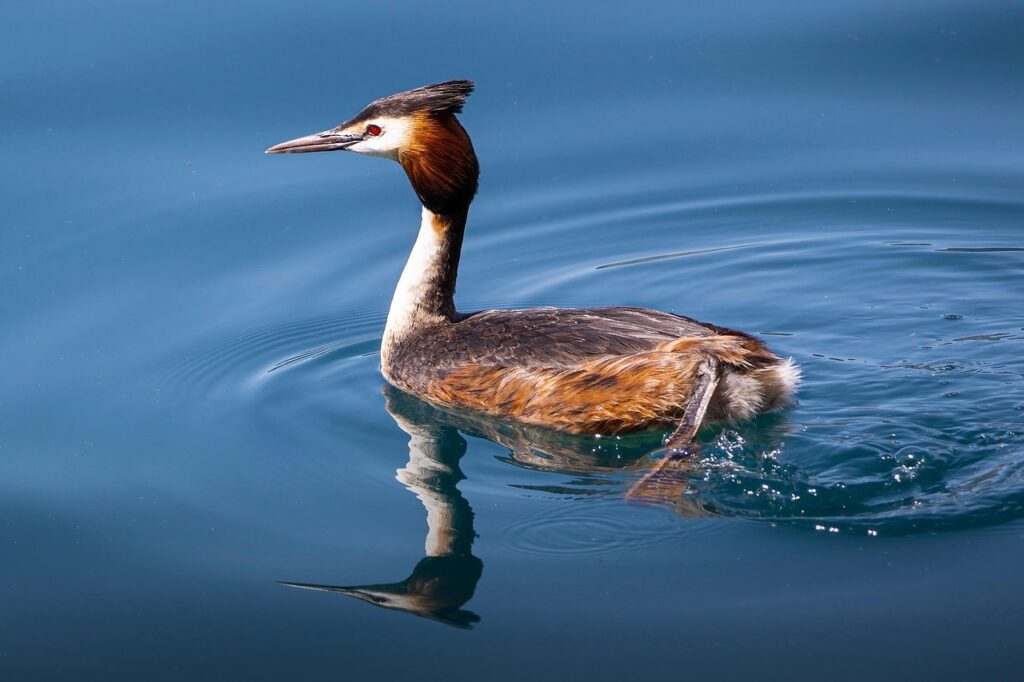
- Salt Glands: Marine reptiles/birds excrete excess NaCl.
E. Mammals
- Kidney Type: Metanephric.
- Nephron Structure:
- Cortical Nephrons (short loops; 85% of nephrons).
- Juxtamedullary Nephrons (long loops; concentrate urine).
- Hormonal Control: ADH, aldosterone regulate water/ion balance.
I. Modes of Excretion in Vertebrates
Excretion is a vital biological process by which organisms eliminate metabolic waste products and maintain internal chemical balance. In vertebrates, this process plays a central role in regulating the composition of body fluids and conserving essential substances like water and salts. Despite the diversity among vertebrates (from aquatic fishes to terrestrial mammals) each group has evolved specific excretory strategies suited to its environment and physiological needs. These variations reflect the complexity and adaptability of vertebrate systems in managing nitrogenous waste and other metabolic by-products.
The primary organs involved in excretion among vertebrates are the kidneys, although other organs like the skin, lungs, and liver also contribute to waste elimination. Over time, evolutionary pressures have led to the development of highly specialized excretory mechanisms in different vertebrate classes. For instance, aquatic vertebrates often excrete waste directly into their surrounding environment, while terrestrial vertebrates have evolved strategies to conserve water, such as producing concentrated urine or semi-solid waste. These adaptations ensure survival in habitats ranging from freshwater lakes to arid deserts.
The following are the different modes of excretion in vertebrates:
A. Ammonotelism
- Waste Product: Ammonia (NH₃).
- Advantage: Low energy cost.
- Disadvantage: Highly toxic; requires abundant water.
- Examples: Most fish, aquatic amphibians.
B. Ureotelism
- Waste Product: Urea (CO(NH₂)₂).
- Advantage: Less toxic; conserves water.
- Disadvantage: Energy-intensive synthesis.
- Examples: Mammals, adult amphibians, cartilaginous fish.
C. Uricotelism
- Waste Product: Uric acid (C₅H₄N₄O₃).
- Advantage: Non-toxic; minimal water loss.
- Disadvantage: High energy cost.
- Examples: Birds, reptiles, insects.
D. Special Cases
- Guanotelism: Excrete guanine (e.g., spiders).
- Ureo-osmoconformers: Sharks retain urea for osmoregulation.
II. Major Evolutionary Milestones in Vertebrate Excretion
1) Early Vertebrates (~500 MYA)
- Agnathans: Simple mesonephric kidneys; ammonia excretion.
2) Evolution of Osmoregulation (~400 MYA)
- Freshwater Fish: Developed glomeruli to excrete dilute urine.
- Marine Fish: Evolved ion pumps (e.g., NaCl excretion via gills).
3) Terrestrial Transition (~375 MYA)
- Amphibians: Shift from ammonotelism (larvae) to ureotelism (adults).
4) Amniote Innovations (~320 MYA)
- Reptiles/Birds: Uricotelism for water conservation.
Mammals: Metanephric kidneys + urea synthesis.
5) Mammalian Adaptations (~200 MYA–Present)
- Loop of Henle: Concentrates urine in arid environments.
- Endocrine Control: ADH fine-tunes water reabsorption.
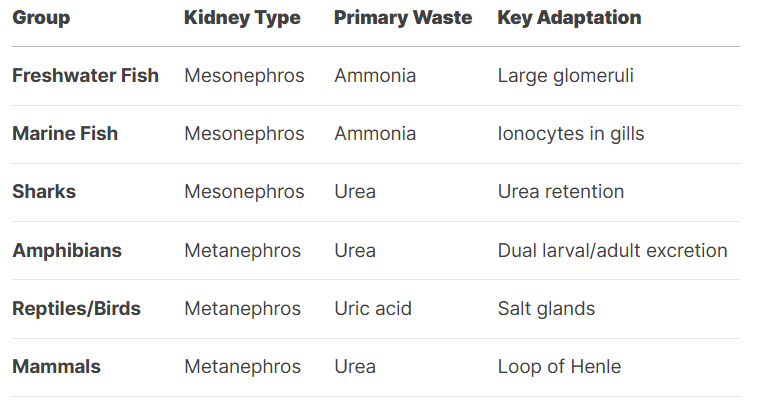
III. Comparative Physiology and Ecological Adaptations
Conclusion
The vertebrate excretory system demonstrates progressive specialization from primitive filtration in fish to advanced osmoregulation in mammals. Key innovations include: i) Shift from ammonia → urea → uric acid for water conservation, ii) Metanephric kidneys with hormonal control in mammals, iii) Salt glands in marine reptiles/birds.