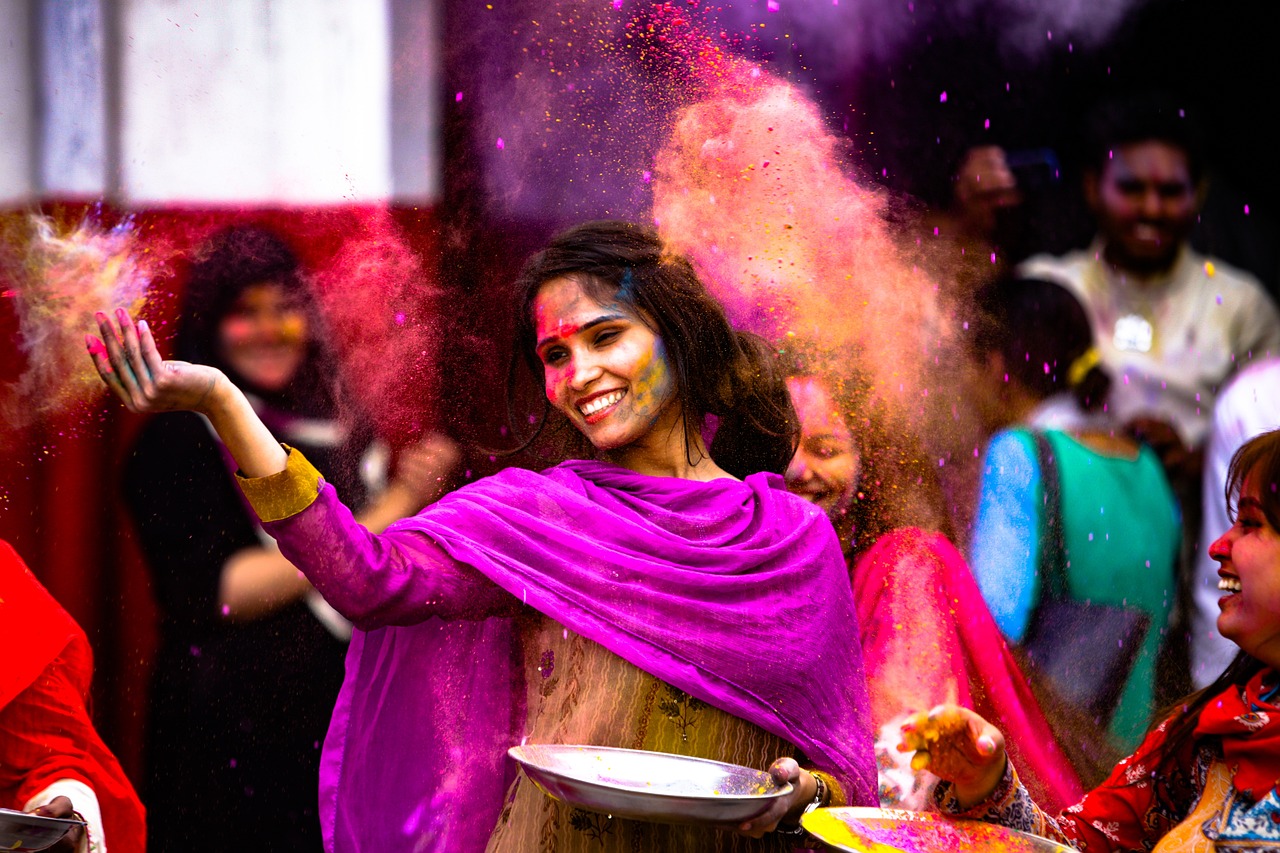
Indian History and Culture
Indian History and Culture is an important subject that is included in the General Studies paper of the UPSC examination. This section aims to test the candidate’s knowledge and understanding of the rich history and diverse culture of India. It covers various aspects such as ancient, medieval, and modern Indian history, art and architecture, literature, music, dance, religion, and philosophy.
To excel in this section, candidates need to have a comprehensive understanding of the major events, personalities, and cultural developments that have shaped India over the centuries. Here are some key topics that candidates should focus on while preparing for Indian History and Culture:
1. Ancient Indian History
This section covers the period from the Indus Valley Civilization to the Gupta Empire. Candidates should study the political, social, and economic aspects of ancient India, including topics such as the Vedic period, Mauryan Empire, and the development of art and architecture during this time.
2. Medieval Indian History
The medieval period in Indian history witnessed the rise and fall of various dynasties and empires. Candidates should focus on topics such as the Delhi Sultanate, Mughal Empire, Vijayanagara Empire, and the impact of Islam on Indian society and culture.
3. Modern Indian History
This section covers the period from the arrival of European powers in India to the Indian independence movement and the formation of the Republic of India. Candidates should study the British colonial rule, the freedom struggle, and the contributions of key leaders such as Mahatma Gandhi, Jawaharlal Nehru, and Subhash Chandra Bose.
4. Art and Architecture
Indian art and architecture have a rich and diverse heritage. Candidates should familiarize themselves with the major architectural styles, such as the Indo-Islamic architecture, Dravidian architecture, and the various schools of art, including miniature painting, sculpture, and temple architecture.
5. Literature, Music, Dance, and Theatre
Indian literature, music, dance, and theatre have a long and vibrant history. Candidates should have a basic understanding of the major literary works, such as the Ramayana, Mahabharata, and the works of famous poets and authors. They should also be aware of the different classical dance forms, music traditions, and theater traditions of India.
6. Religion and Philosophy
India is known for its diverse religious and philosophical traditions. Candidates should have a basic understanding of major religions such as Hinduism, Buddhism, Jainism, Islam, and Sikhism. They should also be familiar with the key philosophical concepts and thinkers that have influenced Indian thought.
To prepare for the Indian History and Culture section, candidates should follow a structured approach. Here are some tips to help you in your preparation:
Start by reading NCERT textbooks on history and culture from classes 6 to 12. These books provide a solid foundation and cover the basic concepts and events.
Supplement your reading with standard reference books on Indian history and culture. Some recommended books include “India’s Struggle for Independence” by Bipan Chandra, “A History of Ancient and Early Medieval India” by Upinder Singh, and “Indian Art and Culture” by Nitin Singhania.
Make notes while studying to aid in revision. Highlight important dates, events, and personalities. Create mind maps or flowcharts to connect different topics and make the information easier to remember.
Practice solving previous years’ question papers to get a sense of the exam pattern and the type of questions asked. This will also help you identify your strengths and weaknesses in the subject.
Stay updated with current affairs related to Indian history and culture. Read newspapers, magazines, and online sources to stay informed about recent archaeological discoveries, cultural festivals, and important historical events.
Join online forums or discussion groups to interact with fellow aspirants and exchange study materials and insights. This will provide you with different perspectives and help you broaden your understanding of the subject.
Remember, Indian History and Culture is a vast subject, and it is important to have a systematic and disciplined approach to cover all the relevant topics. Regular revision and practice will help you retain the information and improve your performance in the UPSC examination.